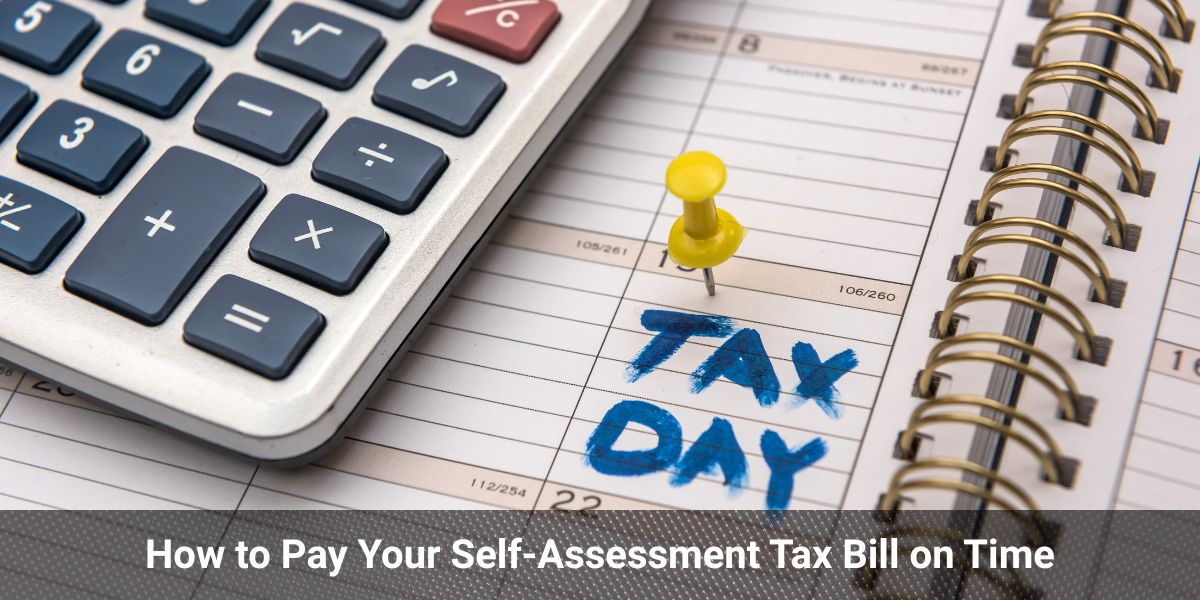
Many people stress themselves by running against the clock when they leave their self assessment tax bill to be paid just before the due date is about to end.
Many people miss the due dates because of the confusion about the deadlines, payments, and the submission of taxes. This self assessment tax is basically when you calculate and report your income to HMRC.
You should not panic and pay your tax bill before the due dates because if you miss the dates, heavy penalties and fines would be imposed. If you even miss it by the slightest, automatic fines followed by interest charges would be imposed. With the right steps you can avoid all this stress and can follow this approach.
What Is Self Assessment Tax?
People calculate their own income and tax bills to report, instead of having a government official from HM Revenue and Customs (HMRC) calculate it for you.
It is your responsibility to get the calculated tax bills and your income right, as when you submit them to HMRC, it then calculates the amount due, which has to be paid before the deadline. This gives more control but also puts a burden. People such as self-employed, landlords, and those with extra income mostly use this.
Who Needs to Pay a Self Assessment Tax Bill?
- A landlord who earns rental income
- Self-employed by any means
- A business owner of any sort
- A director of a company
- People with a side income or investments
- Earning income not taxed through PAYE
If you are one of the above, this is not an option anymore; you need to do it.
Step-by-Step: How to Pay Your Self Assessment Tax Bill
Most people get it wrong here and get confused, so here is a step-by-step for you to follow:
Step 1 – Register for Self Assessment
You will get a Unique Taxpayer Reference (UTR) number, which is a 10-digit number, when you register yourself in the tax system with HMRC. This will be linked to an online account where you will submit returns and will view your tax bill.
You will not be able to file properly if you don’t have a UTR number.
Step 2 – Submit Your Tax Return
The online system automatically calculates your payable amount when you enter your income and allowable expenses in your HMRC account.
Tax returns are submitted for the previous year from 6th April to 5th April.
Submitting this early will give you an early advantage as you will know in advance what your tax bill will be months before the deadline.
Step 3 – Check Your Tax Bill
To see your tax amount owed, you would have to log out of the account after submitting your income and expenses details.
Payments may be a worry for the people who owe a significant sum, so submitting it early would make them avoid the shock value near the deadlines.
Step 4 – Choose Your Payment Method
Here are some of the many ways HMRC offers you to pay your self-assessment tax bill:
- Bank transfer
- Debit card
- Credit card
- Direct Debit
- Budget payment plan (Instalments for your next bill)
Most people pay them manually, but if you are one of those who frequently forget deadlines, you can set up direct debit to avoid penalties.
Payment plan method can also be used by setting it up prior to, if you are one of those with a large sum of payable amount.
Step 5 – Pay Before the Deadline
It’s such a feeling of relief after you pay the tax bill before the deadline, but you should make a habit of paying it days or months in advance. This is because risks may occur near the deadline dates, such as delays in banking apps, a busy schedule, and technical issues.
Important Self Assessment Deadlines
These dates for you are very important:
- 31 January – Online tax return deadline + first payment due
- 31 July – Second payment on account due
Penalties apply if you miss these important dates, such as 31 January, which is the most important one.
Set up direct debit to an early date or mark your calendar to an early date if you do it manually, so that deadlines will automatically be met.
What Happens If You Miss the Deadline?
Serious things start to happen if this happens:
- You receive a quick £100 fine
- After 3 months, daily penalties can apply
- More fines at 6 and 12 months
- Interest charges start adding up on unpaid tax
- HMRC may take harsh action
The system is strict and will not give you any reminders, so even if you can’t afford to pay, you should still submit your returns to avoid penalties.
Tips to Make Paying Tax Easier
These tips will make your life less stressful while paying for the self-assessment tax bill.
Below are useful ways to stay ahead:
- Allocate some money monthly or at least quarterly (20–30% of income recommended by most professionals)
- Should have digital records of income and expenses
- Track profits using digital methods.
- Set calendar reminders or set up direct debit for deadlines
- Review your tax position quarterly or at least every half-year.
- Take the services of an accountant
All these habits will make a huge difference in your professional life, and you will at least feel good and stress-free.
Why Use a Professional Accountant?
Most people handle these by themselves, which leads to many mistakes, such as in their figures, missed expenses, and, most of all, missing the deadlines.
If you hire or work with a professional accountant, it means:
- Accurate calculations
- No missed deadlines
- Guidance on payments on account
- Proper tax-saving advice
- Reduced stress and an easy life
- Support if HMRC ever contacts you
You should be focusing on running your business instead of wasting your time worrying and sorting out these things.
A professional accountant will worry about you by ensuring your taxes are paid on time every year.
Final Thoughts
Paying the self-assessment tax bill before the due dates is not the only thing that matters; you should know the process by preparing for it early and by knowing all the deadlines.
You should definitely take help or hire a professional accountant to avoid small mistakes while submitting your returns in advance, which are very commonly made by those who do it by themselves. Those small mistakes take no time to become very expensive ones in terms of penalties and interest.
You should first register properly to avoid stressful tax problems later. HMRC does not give a friendly reminder after the deadlines, and the penalties that come after would be very painful for you.
It would be just like another task in your everyday busy life if all of this were correctly followed with the professional advice of your accountant and dealt with it months before the actual due dates occur, so that you could lead a calm, carefree, and stress-free life.
If you want our expert to help you with your self-assessment tax bill, feel free to contact us to guide you in every step, which will lead you to the right way.